
NAOSMM 2026 Abstracts and Biographies
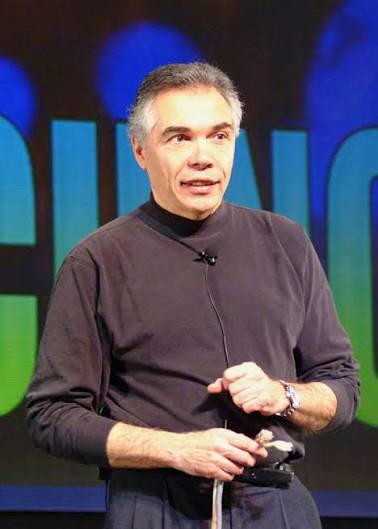
Keynote – Getting the Chemistry Right – Dr. Joe Schwarcz
Abstract:
We live in an age where the latest research in science is just a few keystrokes away. Unfortunately, the same can be said for access to pseudoscience. Snake oil salesmen have a long history of plying their trade, but never before have they been as great a menace to the public as today. Having donned labcoats emblematic of science, or the tailored suits of politicians, they are harder to recognize. Fostering critical thinking among the public is more crucial than ever.
Peanuts can improve your memory. Alkaline water is the key to health. There are fish genes in genetically modified tomatoes. Glyphosate causes autism. Modernity has gone too far with all the synthetic drugs. Chemicals in non-stick pans are linked to smaller penises. These are just a few examples of the chemical “wisdom” that permeates the media, regularly spewed out by self-declared sages. The problem is that they get the chemistry all wrong. It’s time to get it right.
Biography:
Dr. Joe Schwarcz is renowned for his engaging public lectures on topics ranging from the chemistry of love to the science of aging. A recipient of multiple teaching awards, including the prestigious Grady-Stack Award from the American Chemical Society, he is celebrated for demystifying chemistry. Dr. Joe has hosted "The Dr. Joe Show" on Montreal's CJAD for the last 45 years and has been writing his column "The Right Chemistry" in The Montreal Gazette for 30 years. He is frequently called upon by the media to lend his scientific expertise.
Dr. Joe, an amateur conjurer, often spices up his presentations with a little magic. As the author of 21 best-selling books such as "The Right Chemistry" and "Is That a Fact?", he has earned several accolades, including the 2010 Montreal Medal and the 2015 Balles Prize for critical thinking. His latest book, "Better Not Burn Your Toast: The Science of Food and Health," hit shelves in 2025. Dr. Joe became a Member of the Order of Canada in 2025.
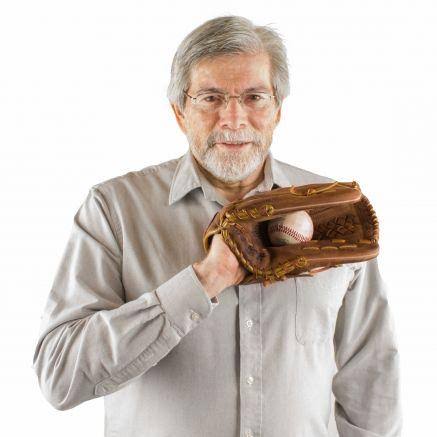
Green Chemistry Experiments – Jack Randall
Abstract:
This presentation will demonstrate Green Chemistry experiments developed by the Vernier Chemistry Department.
Biography:
Jack Randall is the staff chemist for Vernier, with 21 years of experience in providing technical assistance, product development, training, and curriculum support for Vernier’s Chemistry product line.
Lab Inspections and Safety Audits – Jo Wagoner
Abstract:
Laboratory safety inspections are essential in identifying potential hazards that might cause preventable injuries. They are valuable in ensuring compliance with both Federal and State regulations (OSHA, EPA, etc.) and avoiding penalties. We will discuss strategies of performing inspections and audits and offer resources for building your own forms, both physical and interactive. What should you be looking for? We will also talk about documentation and how to address non- compliance and encourage improvement and ultimately a culture of safety. Participants are encouraged to share what they do, what works and doesn’t work at their institutions.
Biography:
I started working at Butler University in 1998. My current duties include ordering, financials, inventory, SDS management, and safety. I co-chair both the Departmental Safety Committee and University Lab Safety Committee. I joined NAOSMM in 2005 and have served as vice-president and site host (Indianapolis). I co-started the NAOSMM Safety Committee in 2008, which I chaired, and now co-chair the Member Education Committee. I have my CHO certification and have extensive training and experience in EPA Peer Auditing, as well as conduct safety audits for our department. My hobbies include reading, gardening and playing with my puppy, Fred.
Safer Teaching lab NFPA 45 Chapter 12 in Practice – Christina McKeon
Abstract:
Instructional laboratories present unique challenges as students learn, instructors manage multiple activities, and hazardous materials are used throughout the classroom. NFPA 45 Chapter 12 establishes operational requirements to reduce fire and chemical risks while supporting effective teaching.
This session provides an overview of Chapter 12 requirements, including supervision, ventilation, chemical quantity limits, dispensing restrictions, PPE, and emergency preparedness. A sample instructional laboratory risk assessment will be used to demonstrate how these requirements support practical decision-making before laboratory activities begin.
Designed for materials managers, instructional lab coordinators, and safety professionals, this session focuses on applying Chapter 12 to create safer teaching environments.
Biography:
With nearly 30 years of experience in environmental health, safety, and laboratory operations, Christina McKeon has dedicated her career to advancing safer science. She served the Laboratory Safety Institute for more than 15 years, including 12 years on staff and 3 years on its Board of Directors. From 2017 to 2025, she led Environmental Health & Safety at the Museum of Science, Boston, where she integrated chemical and biological safety into public-facing science programs, ensuring the safety of staff and visitors while supporting engaging educational experiences.
As Executive Director, Christina leads LSI's mission to promote safer science worldwide. Her work spans K–12 education, conservation laboratories, research institutions, and government agencies. She is committed to teaching practical laboratory safety principles that empower people to make informed decisions and help build a culture where safety enables learning, innovation, and scientific discovery.
The “New” NAOSMM Certification for Scientific Materials Managers – Jodi Larson and Russ Phifer
Abstract:
NAOSMM has had a professional certification program for many years, but the requirements are lengthy and unwieldy, requiring substantial support from the organization that is time-consuming for volunteers administering the program. Recognizing that professional board certification is of value to membership, NAOSMM has agreed to a reorganization with management from the National Registry of Certified Chemists, a CLIA approved National Certification Board. The new requirements for certification will include documenting experience through professional references, submittal of transcripts to show appropriate natural science education, and passing a 150 multiple choice question exam to document expertise in the management of scientific materials. This presentation will detail these requirements and discuss the subject matter on the exam.
Biography:
Russ Phifer has over 45 years of experience in chemical health & safety and currently serves as Executive Director of the National Registry of Certified Chemists. He has been working with Jodi Larson for several years to generate ideas for improvement of the NAOSMM Professional Certification program. Russ has given presentations at over 100 national meetings; his first paper for NAOSMM was in San Antonio in 2008. His specialties include laboratory waste management and laboratory safety. He is an ACS Fellow and former Chair of the ACS Committee on Chemical Safety and the Division of Chemical Health & Safety.
Dealing with Difficult People: Preventing and De-Escalating Conflict – Amy Hopkins
Abstract:
Human interactions can often involve disagreements and conflict, which often leads to anger and frustration. What do you do when a conversation starts to turn aggressive? This presentation will offer some techniques to restore calm before conflicts escalate and reduce the intensity of aggressive or agitated interactions. It focuses on managing personal triggers, utilizing active listening, and applying strategic communication to help distressed individuals return to rational problem-solving.
Core skills and concepts discussed include:
- Managing Yourself: Maintaining a non-anxious presence, controlling your own emotional reactivity, and avoiding defensive responses.
- Body Language: Using open, non-threatening posture, avoiding excessive fidgeting or pacing, and maintaining a safe personal distance.
- Active Listening and Validation: Acknowledging feelings without judgment and ensuring the other person feels heard/
- Strategic Communication: Using open-ended questions, shifting the focus to future solutions, and setting clear, respectful boundaries if necessary.
Biography:
Amy Hopkins, Vice President of NAOSMM and Chair of the Hospitality Committee, is the Biology Laboratory Manager at the Community College of Denver, which is located on a tri-institutional campus in the heart of downtown Denver, Colorado. During her more than 25 years on this campus, she has jumped from the University of Colorado-Denver to the Community College of Denver, holding various positions – from administrative to adjunct faculty to associate professor, then to the lab manager for Biology, geology, and environmental science, having a brief stint as the chemistry lab manager as well. She serves as the “unofficial” EH&S contact for her college and is involved with the campus-wide laboratory safety committee and sustainability committee. She has 20 years of lab management and lab safety experience, and has recently started her own counseling business, offering laboratory safety solutions for secondary educational institutions. IN the post-Covid years, she has attended many training courses on conflict de-escalation, and has developed her own, targeted for educational institutions. She has presented to staff, faculty, and students, within her institution and at state-wide conferences.
Pellets & Prints: A Hands-On Science Adventure with Carolina – Missy Hodges
Abstract:
Join us on Monday afternoon for a fun, hands-on workshop that brings science to life. We’ll dig into owl pellets to uncover the clues they hold, then step into the world of forensics with an interactive fingerprinting activity. Along the way, you’ll explore whorls, loops, and arches and discover just how unique your fingerprints really are. Best of all, our team will be there to share ideas, answer questions, and help make your job a little easier.
Biography:
Ms. Hodges holds a Bachelor’s of Science degree in Biology from Roanoke College in Virginia and a Masters of Business Administration degree from Elon University in North Carolina. She has been employed by Carolina Biological Supply Company for over 21 years and works currently as the Director of Product Management.
Advancing Safer Laboratories: NFPA 45 in Action – Christina McKeon
Abstract:
NFPA 45 is more than a fire code—it is a roadmap for safer laboratory operations. But how do ventilation, chemical inventories, storage practices, and Maximum Allowable Quantities (MAQs) come together in the real world?
This interactive workshop moves beyond the code book and into practical application. Through guided instruction, breakout exercises, and real-world scenarios, participants will classify laboratory units, identify limiting hazards, evaluate inventories, and explore how operational decisions influence risk. Along the way, you'll discover how ventilation, storage, and quantity limits intersect to support safer laboratories. Designed for laboratory managers, materials managers, and safety professionals, this session will build confidence in applying NFPA 45, strengthen safety programs, and provide tools you can put to work immediately. Bring your questions, compare approaches with peers, and leave with practical skills—not just notes—to help advance safer science.
Biography:
With nearly 30 years of experience in environmental health, safety, and laboratory operations, Christina McKeon has dedicated her career to advancing safer science. She served the Laboratory Safety Institute for more than 15 years, including 12 years on staff and 3 years on its Board of Directors. From 2017 to 2025, she led Environmental Health & Safety at the Museum of Science, Boston, where she integrated chemical and biological safety into public-facing science programs, ensuring the safety of staff and visitors while supporting engaging educational experiences.
As Executive Director, Christina leads LSI's mission to promote safer science worldwide. Her work spans K–12 education, conservation laboratories, research institutions, and government agencies. She is committed to teaching practical laboratory safety principles that empower people to make informed decisions and help build a culture where safety enables learning, innovation, and scientific discovery.
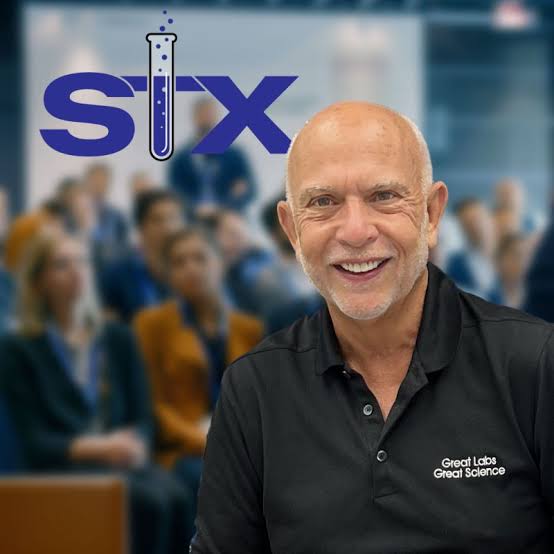
Safety Considerations for Laboratory Exhaust Systems – Terry Looney
Abstract:
Safety Considerations for Laboratory Exhaust Systems examines the design, operation, and maintenance of laboratory ventilation and containment systems used to protect personnel from hazardous airborne contaminants. The presentation reviews chemical fume hoods, ductless fume hoods, canopy hoods, snorkel exhaust systems, and biological safety cabinets, including airflow management, VAV systems, automated sash controls, alarms, and integrated particle monitoring systems. Objectives include understanding containment principles, identifying applications and limitations of exhaust devices, recognizing unsafe operating conditions, evaluating smart monitoring technologies, and applying best practices for inspection, maintenance, energy efficiency, and regulatory compliance in laboratory environments.
Biography:
Mr. Looney has more than 40 years of experience in the laboratory industry, beginning his career with analytical instrument manufacturers before founding STX Labs in 1995. Leveraging his undergraduate work at JMU and an MBA from the University of Richmond, he expanded the company into seven business units, including Envision Lab Design, Design/Build, ReLab laboratory renovations, ModuLab and CleanLab modular and cleanroom solutions, and TechVan mobile labs. STX Analytical represents Agilent Technologies and other leading analytical instrument manufacturers. Outside of work, Mr. Looney enjoys travel and boating with his wife and family.
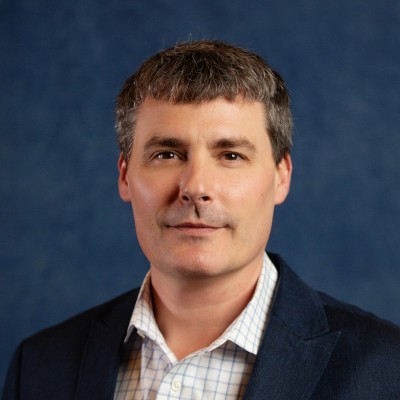
Strategic Sourcing: Pro Tips for Pipette Tips and Purchasing Roundtable – Steve Bequette
Abstract:
In this presentation, I will discuss the many brands for lab supplies including ‘private labels’, and how to identify the source for most of those products. I will review some of the tools that are available to help increase throughput while containing consumable costs with universal semi-automated liquid handlers, cappers, and sealers. The last segment will touch on manufacturing in the USA vs. importing, and the ways we work to balance fluctuating costs for raw material and freight during turbulent times.
Biography:
Steve has nearly thirty years of experience in manufacturing and distribution of products for the life science industry. He has expertise with automated liquid handlers and instruments that help bridge the gap between cutting-edge technology and practical, real-world laboratory needs.
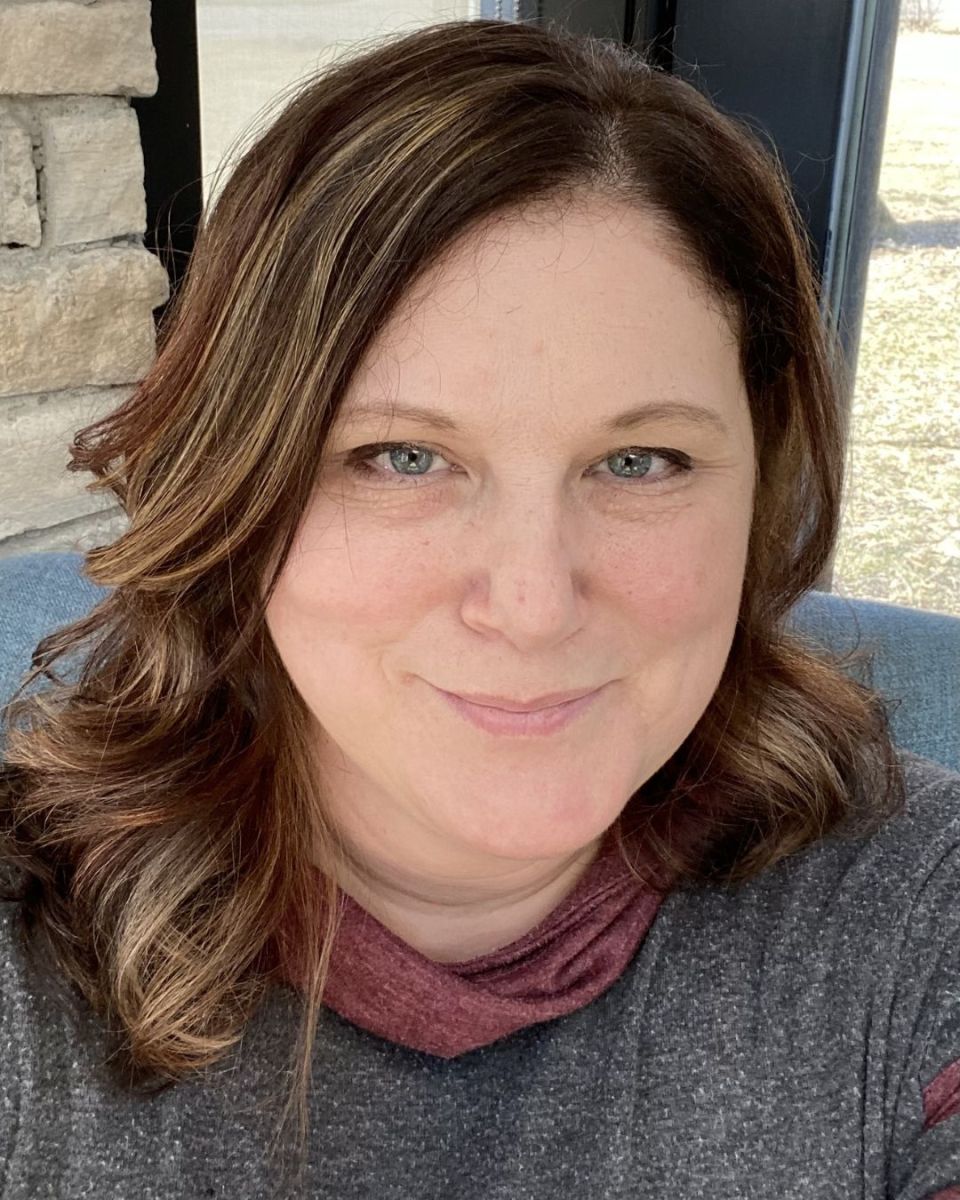
No Restart Required: Breaking the Monday Loop – Erin Degner
Abstract:
Most people do not struggle because they lack motivation. They struggle because they fall into a repeated cycle of restarting the moment things become uncomfortable, repetitive, or emotionally difficult. In this session, Erin Degner explores the hidden behavioral patterns behind inconsistent follow-through, the psychology of “starting fresh,” and how repeated restarting slowly erodes momentum, confidence, and self-trust over time. Attendees will learn how to recognize these patterns, shift their response to discomfort, build sustainable consistency without relying on motivation, and finally stop starting over every Monday.
Biography:
Erin Degner is a calibration technician and office administrator with Quality Assurance Services, LLC, a three-generation family-owned company providing balance calibration and pipette service to laboratories and academic institutions across 29 states. After joining the company seven years ago, Erin researched, trained in, and launched the company’s pipette service division, which has continued to grow and now represents a significant portion of the business. Prior to joining the family business, Erin worked as a corporate trainer, executive assistant, daycare owner, and kindergarten teacher. Her breakout session, Breaking the Monday Loop, explores why people repeatedly “start over” and how to build lasting consistency without relying solely on motivation.
Convenience methods for quality testing – ATP and so much more! - MaryBeth Karczynski
Abstract:
To ensure the highest standards for quality testing in the food and beverage area, Weber Scientific offers a robust product portfolio which includes “convenience methods”, those products that speed the time to gain results. This includes items such as:
- Sanitation: ATP testing – 10 second test to ensure cleanliness in your facility
- Bacteriological Testing:
- EasyPlate – Prepared Media Plates
- EasyGel – a 2 part test method which produces a hassle free petri dish
- Air Sampling:
- Settle plates – an efficient and basic test method to sample air
- Air Sampler – test method using your own petri dish
Biography:
Founded in 1959 and based in New Jersey, Weber Scientific provides quality assurance solutions for bacteriological testing, sampling, sanitation monitoring, and analytical equipment for the food, beverage industries. Our product line includes pre-filled dilution bottles, MegaSampler Sponges™, ATP monitoring tools, Easy Plates, sampling bags, and so more—all backed by a 100% satisfaction guarantee. Visit our booth and meet our expert team, get a free full-color catalog, and explore our innovative offerings. For our full product portfolio, visit weberscientific.com. We're here to support all your lab needs and look forward to connecting with you!
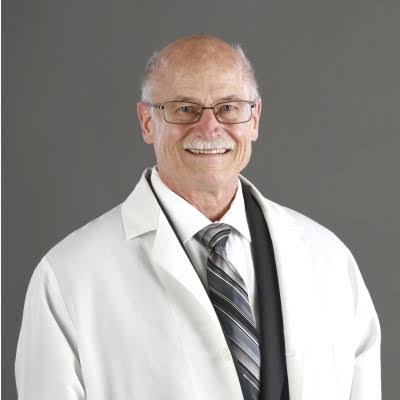
Preparing for a Fire Marshall Visit – Jose Ocadiz
Abstract:
Biography:
Incident Reporting at Villanova and the Chemical Industry – Justin Mitsch
Abstract:
Villanova has a robust but evolving incident reporting system. We will briefly look at how Villanova Chemistry and Biochemistry define an incident and how the Chemistry and Biochemistry department responds to these incidents. The bulk of the talk will look over the paper trail and mandatory reporting our department has to make. We will also discuss how to inform the campus community about incidents and near misses. Come join the discussion to help improve our and your program.
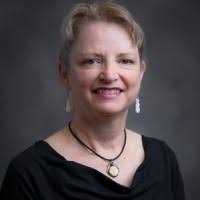
Biography:
Hello, I am Justin Mitsch. I graduated from Elizabethtown College in 2010 with a degree in Chemical Physics. After that I spent 10 years in the chemical/pharma industry making APIs at Johnson Matthey, which is now Veranova. I spent 5 of those years on the plant floor, and the other 5 years in the process development and tech transfer lab. I have been a lab coordinator at Villanova for 6 years. I have a huge interest in safety having served on Emergency Response Team for all 10 years in the chemical industry. I also have a fascination with 3-D printing and chemical equipment. I have 2 sons an 7 year old and a 4 year old. I also have a dachshund named Bratwurst. Yes that is his real name.
Do’s and Dont’s of Delegation: Managing Student Workers – Melinda Box
Abstract:
This roundtable discussion will explore valuable insights and share useful experiences about delegation to student workers. Topics covered will include leveraging aptitudes and interests, accommodating different skill levels, juggling availability, strategizing task organization, scaling to workforce size, and communicating feedback. Bring your laptop (or other device) to chime in on the dynamic Kahoot-based digital interaction, and come ready to share your experiences, insights, and questions as part of this valuable conversation.
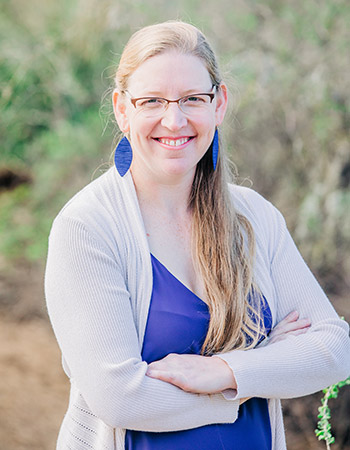
Biography:
Melinda Box oversees laboratory and workshop safety at Elon University as its Academic Affairs EHS Specialist. She has over 10 years of experience in safety and academic laboratory management, as well as over 30 years in chemical education with a focus on laboratory curriculum development. She has a Master's degree in Science Education, is a Certified Chemical Hygiene Officer, and is an Associate Safety Professional.
Brain to Paper: Useful Lab setup Documentation – Heather Edvenson
Abstract:
Lab managers store lots of details and nuance about the set up for student experiments in our brains. Even when the experiments are the same, each campus (or faculty member?) has different preferences. This session will look at strategies for useful documentation for lab prep. How do we get details out of our brains on to paper? How much detail is too much? How do we keep it up to date? Does it work for student workers? Or the faculty member covering for emergency leave? Or the new hire after you leave the position? This interactive session will use examples from the major updates (hopefully upgrades) I have made to the documentation at two different campuses and will include insight and perspective from the lab manager who followed me at the first institution.
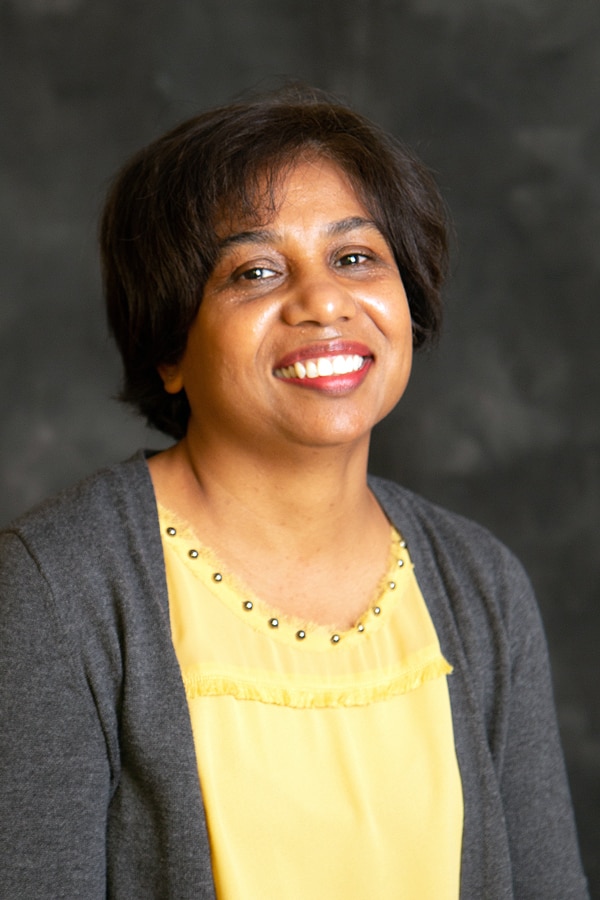
Biography:
Heather Edvenson is the Lab Manager and CHO at Coe College in Cedar Rapids, IA, where she also earned her B.A. Prior to returning to Coe, Heather was the Chem Lab Coordinator at Johnson County Community College in Overland Park, KS, and worked at Science City prior to that. A chemist by education, an educator by passion and an organizer by nature, Heather keeps tinkering, updating and tweaking systems and documentation to make them more useful. She always a project (or 3) in progress at home and in the lab.
Green Chemistry in the Classroom and Lab – Manjula Koralegedara
Abstract:
Even though Green Chemistry emerged as a formal educational focus in the early 2000s, many colleges and universities, research and analytical labs have yet to adopt GC practices. McPherson College, a small liberal arts college in McPherson, Kansas, has been intentionally embedding green chemistry and sustainability concepts into their Natural Science curriculum through several dedicated courses and through the undergraduate research experience. McPherson College is the first college or university in Kansas to sign the green chemistry commitment in May 2023. In addition to the Natural Science department, the Auto Restoration department, and the Maintenance department in collaboration with dining services have implemented other sustainable practices at McPherson College.
Biography:
Dr. Manjula Koralegedara earned her B.Sc. (Sp. Chem) from the University of Peradeniya, Sri Lanka prior to moving to the US for her graduate studies. She earned her Ph.D. in Organic Chemistry from Wichita State University in 2010 and has been employed at McPherson College, KS since then. She is a Professor of Chemistry, and the Chair of the Natural Science Department. Her teaching responsibilities include Organic Chemistry, Biochemistry, Green Chemistry, Toxicology and Sustainability. She focuses on undergraduate research that bridges Chemistry with Biology, Microbiology and Sustainability. She is an engaged member of the ACS – Wichita Local Section and enjoys science outreach activities.
How to Lower Your Gas Consumption and Carbon Footprint - Heather Bailey
Abstract:
Gas consumption is a huge part of budgets that cannot be compromised. During this presentation I will touch on ways to save money, how we’ve produced some of our own gas, and ways to recycle/reuse cryogen gases. Being budget conscious and carbon footprint light is a win-win for everyone.
Biography:
Heather Bailey is the current Chemistry Storeroom Coordinator from the University of Puget Sound-a small liberal arts college in NW Washington (~1800 students) since 2014. She has prior industry experience as an environmental chemist at ALS Environmental. She is a chemistry graduate of the Evergreen State College. Heather is a US Navy veteran who served as a Nuclear Electronic Technician/Reactor Operator for surface ships. Heather is the mother of 3 humans and 3 dogs.
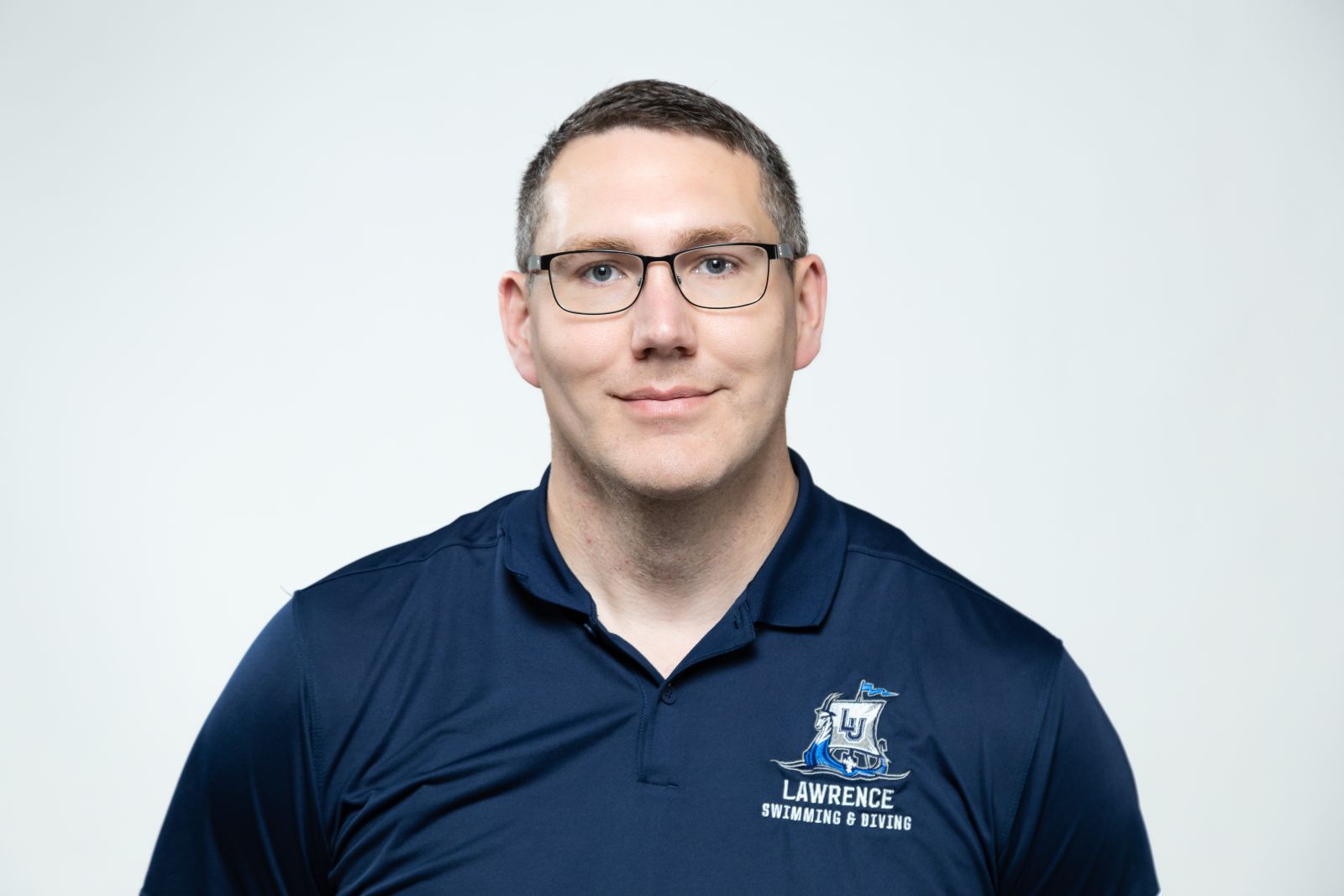
EXCEL & Mail Merge: Not just for mailing – Daniel Martin
Abstract:
Every year as I prepare for labs, I have to complete certain tasks. One is making up a batch of unknown salt samples for GenChem I and the other is ensuring that the supply drawers for students in the Organic and Inorganic Teaching Lab are filled properly and have sheets to accompany those drawers. Each require individualized labeling, on vials and sheets respectively, so I set out today to demonstrate that process and have you practice that process, should you have a computer with you.
Biography:
Now serving as the NAOSMM Treasurer, Daniel is back for another year. Not much else has changed since the 2025 Conference—still biking, kayaking, marshalling for road races, hammocking, and volunteering with the Rowing Team. This is the second summer in a row that he has served as a facilitator for the Beta Theta Pi Fraternity at the John and Nellie Wooden Institute for Men of Principle. Maybe one day he will finally leave the college life behind, but until then, he’ll keep sticking around help others and making a difference.
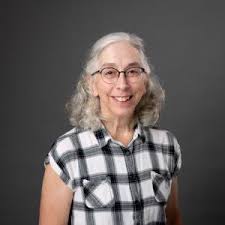
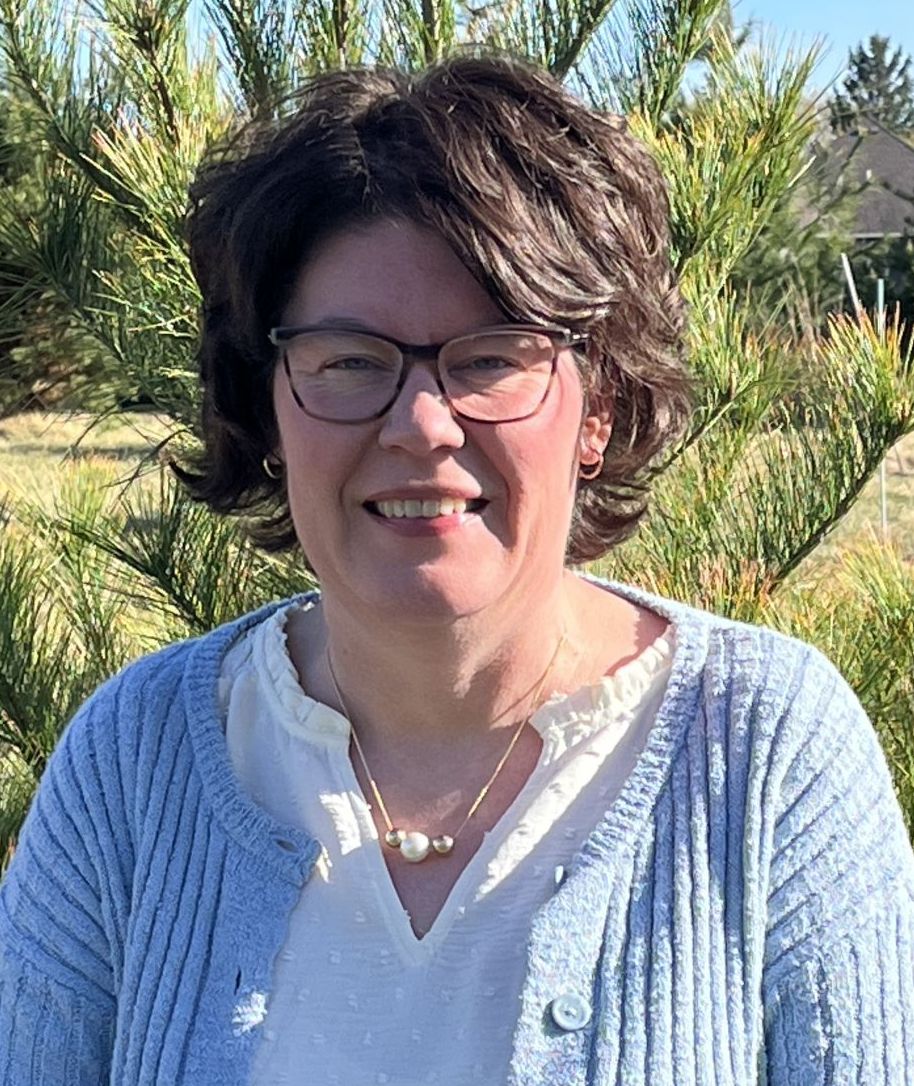
What Happens when “Bleep” Happens – Kathryn Malody, Becky Kapphahn, and Michelle King
Abstract:
Kathryn, Michelle and Becky will present recent emergency events that impacted entire science buildings on their campuses, and lessons learned. They will cover emergency preparedness, response and recovery in action. In addition they will discuss challenges and unexpected aspects that worked or did not work so well. Please come prepared to share your own experiences with any such events you may have dealt with at your own institutions.
Biography:
Kathryn Malody earned B.A.s in Biology and Environmental Science from Macalester College, St Paul MN and a M.S. in Botany from the University of Minnesota. She joined the staff at Hamline University, St Paul MN, in 1990. She enjoys a diversity of duties and challenges: overseeing the creation of new biology lab spaces, reorganizing resources and programmatic space between two separate buildings, training and supervising the student workers, and managing all aspects of running the biology teaching and research labs, as well as teaching laboratory and seminar sections. Kathryn joined NAOSMM summer 2011. She has attended each subsequent national meeting, benefitting from the seminars, round-tables and “talking shop” with people who face very similar challenges.
Becky Kapphahn is the Chemistry Laboratory Coordinator at Hamline University in St Paul, MN. Becky joined Hamline Chemistry in 2022 after almost 25 years as a biochemical researcher, safety officer, and lab manager at Oregon Health Sciences University and the University of Minnesota, Twin Cities. She joined NAOSMM in 2022 and attended her first conference in New Orleans in 2023. Kapphahn holds a BA (Biology Major, Chemistry Minor) from Concordia College, Moorhead, MN, and a MS from the University of North Dakota.
Dr. Michelle King received a doctoral degree in Microbiology from Oklahoma State University where her research focused on calcium signaling in the human pathogen Pseudomonas aeruginosa. Dr. King has dedicated her career to STEM education and outreach, hoping to inspire future generations of scientists and learners. At ODU, Dr. King is the Manger of the Biological Sciences Support Facilities where her team supports all research and teaching entities in her department. She also is the Instructor for the General Biology I & II and Microbiology labs where she develops curriculum and trains over 10 GTA’s per semester over wet lab techniques and teaching pedagogy. Dr. King serves as the Building Emergency Coordinator (BEC) and works with the Emergency Management to develop the BEC program.
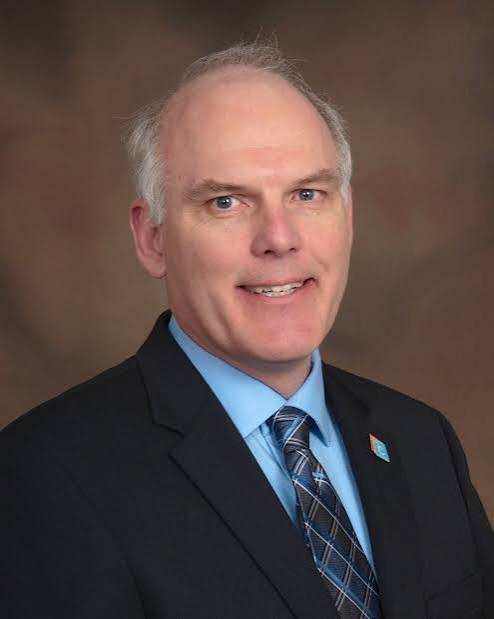
Conducting an Effective Performance Evaluation – Scott Hanton
Abstract:
A key element of staff development and engagement is providing effective feedback and coaching. One important tool that is often misunderstood is the annual performance review. Often this event is dreaded by both staff and managers. However, the performance review can be reinvented to be a time to have meaningful conversation about performance, expectations, areas for improvement, and building strengths. This presentation will focus on providing effective feedback, important coaching, and building needed skills.
Key Takeaways:
- Developing effective SMARTER objectives drive actionable performance evaluation
- Focusing on accomplishments highlight the positives of staff performance
- Use constructive feedback and strengths to drive growth and development
Biography:
Scott Hanton is the Editorial Director of Lab Manager. He spent 30 years as a research chemist, lab manager, and business leader at Air Products and Intertek. He earned a BS in chemistry from Michigan State University and a PhD in physical chemistry from the University of Wisconsin-Madison. Scott is an active member of ACS, ASMS, and ALMA. Scott married his high school sweetheart, and they have one son. Scott is motivated by excellence, happiness, and kindness. He most enjoys helping people and solving problems. Away from work, Scott enjoys working outside in the yard, playing strategy games, and volunteering in the community.